Understanding the World of Counterfeit Money: The Rise of Online Shops
In the last few years, a troubling phenomenon has emerged with the growth of online shopping: the sale of counterfeit money. This illicit market has acquired traction together with the legitimate e-commerce market, raising questions about legality, security, and ethical considerations. This post explores the world of counterfeit money, exploring its ramifications, the reasons behind its development as an online commodity, the dangers involved for buyers and sellers, and the measures being required to fight this issue.
The Nature of Counterfeit Money
Counterfeit money refers to currency that has been produced without legal sanction, with the intent to trick. It typically simulates real currency in look, texture, and, in some innovative cases, even its holographic features. Counterfeiting is a criminal offense in most jurisdictions around the world and can carry extreme penalties ranging from fines to imprisonment.
Why Counterfeit Money?
- Profit Motive: Counterfeiters aim to make money that can be passed off as real currency for items and services.
- Accessibility: The accessibility of printing innovation and products has actually made it much easier for people to create counterfeit money.
- Online Marketplaces: The privacy of the internet has actually fueled the development of markets where counterfeit money can be purchased and offered with increased secrecy.
The Online Market for Counterfeit Money
As innovation advances and more people turn to online shopping, the counterfeiting market has actually adapted. A number of online platforms provide counterfeit currency, exploiting cryptocurrencies and encrypted transactions to safeguard privacy and evade law enforcement.
Popular Platforms for Counterfeit Money
- Dark Web Marketplaces: Platforms like Silk Road and AlphaBay have ended up being infamous for the trading of counterfeit items, consisting of money.
- Social Media and Forums: Some people take to social networks platforms and niche online forums to connect with purchasers and sellers, often using coded language to avoid detection.
- Peer-to-Peer Networks: Certain chat applications enable users to exchange goods and information while keeping personal privacy.
Dangers Involved in Buying Counterfeit Money
For Buyers
- Legal Consequences: Purchasing counterfeit money is illegal and can lead to criminal charges, consisting of fines and jail time.
- Financial Loss: Buyers may invest significant sums on counterfeit currency that can not be exchanged genuine worth.
- Scams: The privacy of online marketplaces can expose buyers to frauds, where they might spend for counterfeit currency that is never provided.
For Sellers
- Legal Repercussions: Just like buyers, sellers face serious legal repercussions, including significant fines and prospective prison time.
- Safety Risks: Engaging in the sale of counterfeit money might result in conflicts with police or competing counterfeiters, presenting personal security dangers.
- Reputation Damage: Being caught selling counterfeit money can destroy an individual's credibility and future employment prospects.
The Role of Law Enforcement
Government authorities are well conscious of the intensifying issue of counterfeit money in online marketplaces. Different strategies have been utilized to combat this issue:
- Increased Surveillance: Law enforcement firms are using sophisticated tools to monitor suspicious online activities.
- Cooperation with Tech Companies: Authorities collaborate with major tech and social media companies to identify and remove counterfeit networks.
- Public Awareness Campaigns: Educating the public about the risks and legal risks related to counterfeit money intends to hinder prospective purchasers.
Often Asked Questions (FAQs)
1. Is it legal to have counterfeit money?No, having counterfeit money is illegal in most jurisdictions and can cause significant legal effects. 2. How can I identify counterfeit
money?To identify counterfeit money,
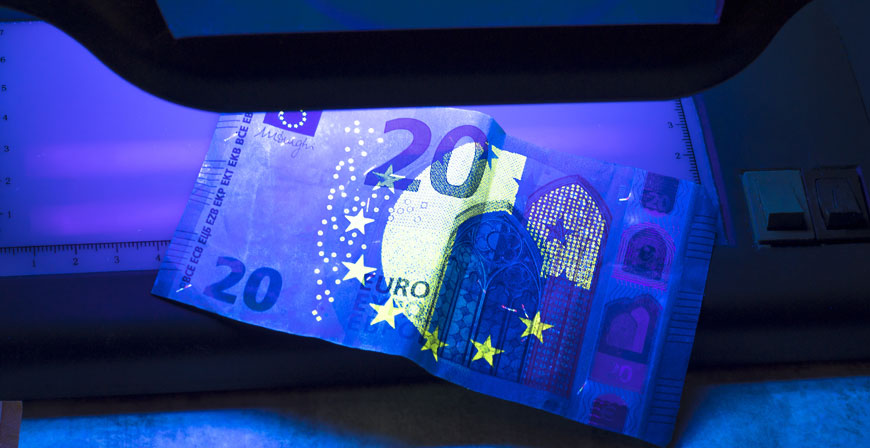
check for distinct features such as watermarks, security threads, and holograms. Unique UV lights and amplifying glasses can help in detection. 3. What should I do if I get counterfeit money?If you receive counterfeit money, do not attempt to use it. Report it immediately to your local law enforcement agency. 4. Why do people buy counterfeit money?Some individuals might purchase counterfeit money out of desperation
, ignorance of the law, or in an effort to control genuine financial systems for personal gain. 5. Exist charges for selling counterfeit money?Yes, people captured offering counterfeit money can deal with extreme penalties, including fines and
imprisonment, together with a criminal record. The emergence of
online buy counterfeit money underscores a complicated interaction of innovation, economics, and legality. While some may see it as a simple way to earn money or prevent standard banking systems, the risks are profound and far-reaching. Police continues to adapt to fight this growing trend, emphasizing the value of public awareness and education. As society browses the developing landscape of online commerce, comprehending the dangers of counterfeit money stays essential. Alton Buel are reminded that while the attraction of easy earnings may be tempting, the legal repercussions are even more considerable, producing long lasting damage that goes beyond immediate financial gain. It is necessary to stay vigilant and notified in a world where digital deals continue to flourish.